
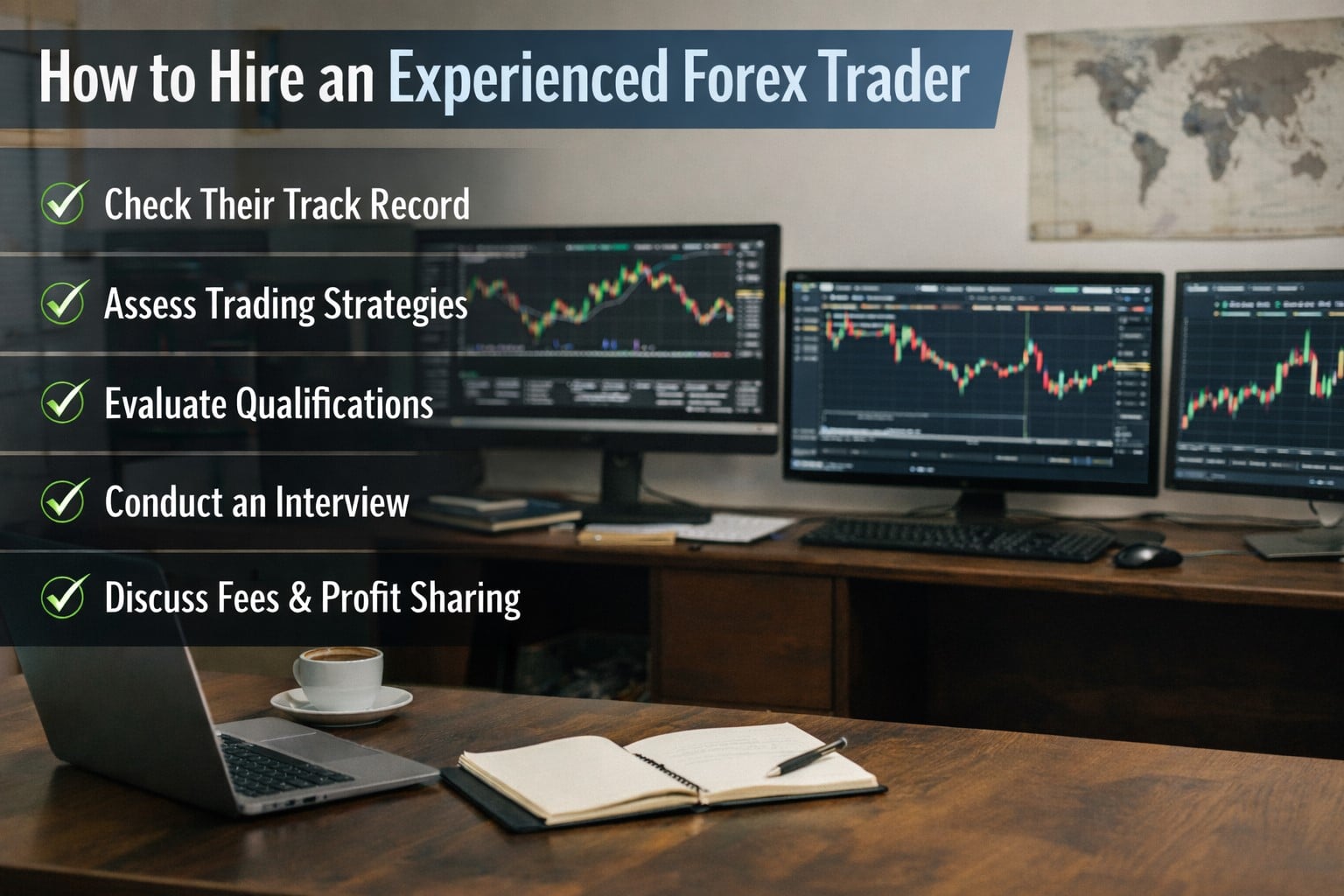

Finding a retail trader is easy. Finding a professional who can protect capital while generating consistent alpha is an entirely different challenge. Most investors lose money not because of the market, but because they fail to vet the person pulling the trigger.
If you are tired of “guru” screenshots and want institutional-grade results, you need a forensic approach to hiring. This guide breaks down how to identify elite talent and structure a partnership that prioritizes your security.
Beyond the Hype: What Does it Truly Mean to Hire an Experienced Forex Trader?
A professional trader doesn’t “predict” the market; they manage risk. While retail speculators chase 100% monthly returns, institutional-grade traders focus on alpha generation and capital preservation.
Hiring an expert means buying into a proven risk management protocol. You aren’t just hiring a person; you are hiring a repeatable system. At Sarowar Jahan, i emphasize that experience is measured by performance during high-volatility events, not just bull markets.
The Forensic Audit: 3 Non-Negotiables for Verifying a Trader’s Track Record
Before discussing fees, you must perform a quantitative audit. Never accept a PDF statement; they are easily forged.
- Third-Party Verification: Demand a live link to Myfxbook or Darwinex. This ensures the data is pulled directly from the broker’s server.
- The Sharpe Ratio Test: A high return with a low Sharpe Ratio means the trader is taking massive risks. Look for a ratio above 1.5 for a balanced portfolio.
- Drawdown Analysis: Compare the Maximum Drawdown (MDD) to the total return. If a trader seeks a 20% return but risks a 40% drawdown, the “ruin risk” is too high.
Reading the Myfxbook Audit: Spotting “Ghost” Accounts
Check for the “Track Record Verified” and “Trading Privileges Verified” green ticks. If these are missing, the data is likely manipulated. Look at the “Equity” line if it constantly dips far below the “Balance” line, they are “floating” losing trades and praying for a reversal.
Managed Accounts vs. Copy Trading: Choosing Your Infrastructure
How your capital is handled is as important as the strategy itself.
| Feature | Copy Trading | Managed Accounts (PAMM/MAM) |
| Control | High – You can stop trades instantly. | Moderate – Managed by the pro. |
| Slippage | High – Execution lag is common. | Low – Trades execute simultaneously. |
| Customization | Low – You mirror their exact risk. | High – Custom risk parameters. |
| Ideal For | Smaller retail accounts. | High-Net-Worth / Institutional. |
The Legal and Security Layer: Protecting Your Capital
Never send funds directly to a trader’s personal account. Professional setups utilize a Limited Power of Attorney (LPOA). This legal framework allows the trader to execute positions but strictly prohibits them from withdrawing your funds.
Ensure the broker uses segregated accounts. This keeps your investment separate from the broker’s operational capital. Following the standards set by Sarowar Jahan, always prioritize traders who operate under FCA or SEC compliance frameworks to ensure maximum oversight.
Fee Structures: Aligning Incentives with the “2 and 20” Model
Professional traders rarely work for a flat fee. They want skin in the game. The industry standard is the “2 and 20” model:
- 2% Management Fee: Covers operational costs and Bloomberg Terminal access.
- 20% Performance Fee: Paid only on new profits.
Always insist on a High-Water Mark clause. This ensures you don’t pay performance fees if the trader is simply recovering from a previous loss.
FAQ: Hiring and Managing Forex Talent
How do I find a reliable forex trader to manage my money?
Focus on verified third-party track records, regulatory history, and transparent fee structures. Avoid anyone promising “guaranteed” returns. Use platforms like Sarowar Jahan to understand the vetting standards required for elite performance.
What is a typical fee for hiring a professional forex trader?
Most professionals charge a 20% to 30% performance fee based on net profits. This is often paired with a small annual management fee (1-2%) to cover institutional overhead and data costs.
Is it legal to hire someone to trade forex for you?
Yes, provided the arrangement is structured through a Limited Power of Attorney (LPOA) with a regulated broker. This allows a manager to trade on your behalf without having access to withdraw your capital.
What is the difference between copy trading and hiring a fund manager?
Copy trading mirrors trades into your account automatically, while a fund manager (PAMM/MAM) manages a collective pool of capital. Managed accounts generally offer better execution and more professional risk controls.
How can I verify a forex trader’s performance?
Use independent auditing sites like Myfxbook to view real-time, server-verified data. Look specifically at the Sharpe Ratio, Maximum Drawdown, and the length of the trading history (minimum 12–24 months).
Connect on Telegram Don’t miss out on critical market updates. Join my Telegram community for the latest news and trading signals delivered straight to your phone: https://t.me/mql5signals_Sarowar